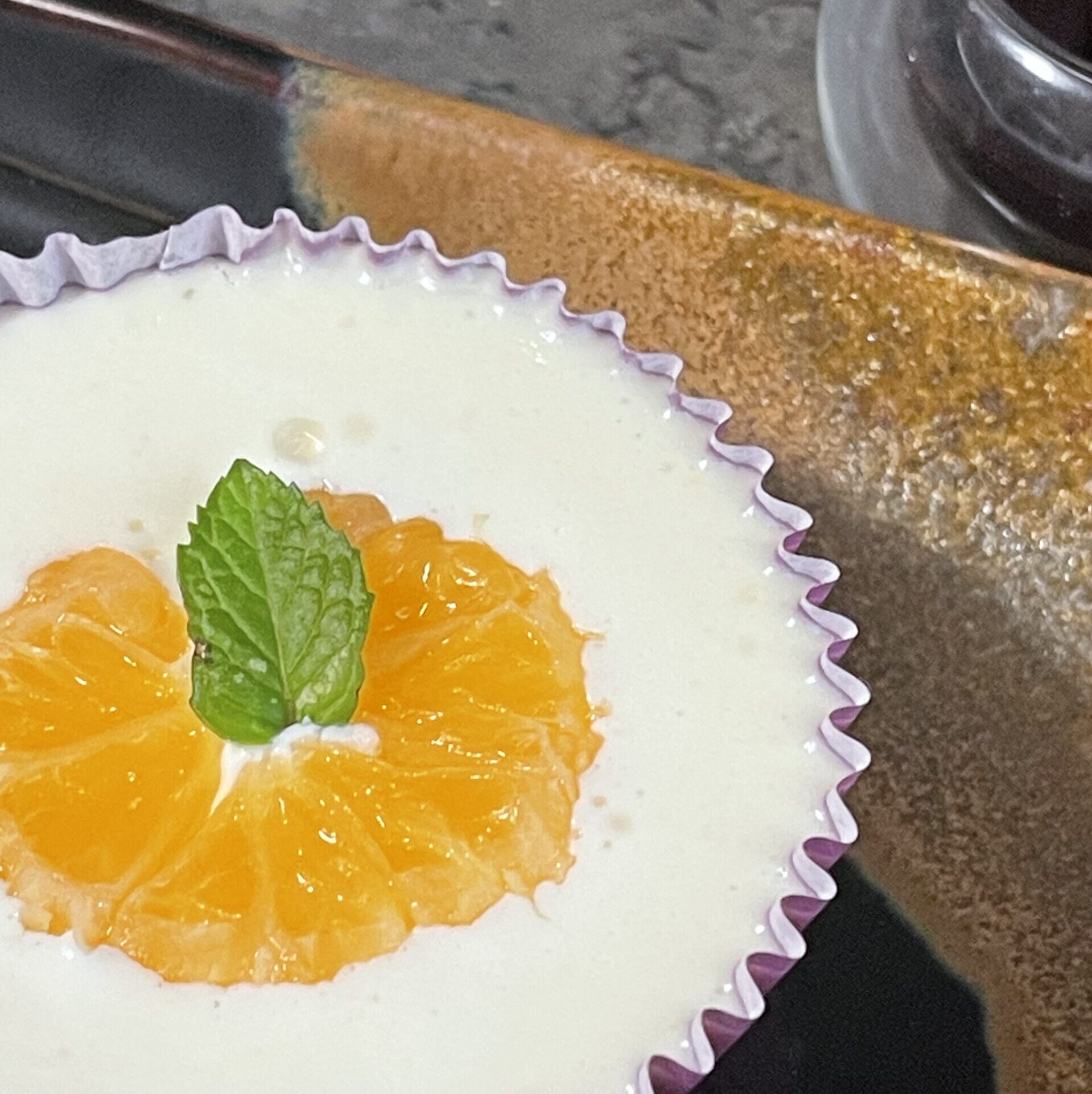
There are few desserts that feel as bright and celebratory as cheesecake infused with fresh citrus. Add cider to the mix, and the result is something even more memorable.
Cider has a remarkable ability to enhance desserts without overwhelming them. Its natural acidity balances rich cream cheese, while notes of fresh apple, orchard blossoms, baking spice, or subtle tannin add complexity that complements citrus beautifully. In this recipe, reduced cider becomes a concentrated syrup that brings depth to every bite.
Why Cider Works
Reducing cider concentrates both its apple flavor and natural sweetness while preserving its vibrant acidity. When folded into the cheesecake filling, it creates layers of flavor that pair naturally with fresh tangerine zest and juice.
Ingredients:
For the best results, choose:
- A dry or semi-dry cider with bright acidity.
- A traditional method sparkling cider (allowed to go flat before using) for added complexity.
- A still cider with fresh apple aromatics and moderate tannins.
Avoid heavily flavored ciders, as they can overpower delicate citrus notes.
Cider-Spiked Tangerine Cheesecake
Makes: 10 to 12 servings
Ingredients
Crust
- 2 cups graham cracker crumbs
- ¼ cup sugar
- ½ teaspoon cinnamon
- 6 tablespoons melted butter
Cider Reduction
- 2 cups dry cider
Filling
- 24 ounces cream cheese, softened
- 1 cup sugar
- 3 tablespoons cider reduction
- Zest of 3 tangerines
- ⅓ cup fresh tangerine juice
- 1 teaspoon vanilla extract
- 3 large eggs
- ½ cup sour cream
- Pinch of salt
Cider Tangerine Glaze
- Remaining cider reduction
- 2 tablespoons tangerine juice
- 1 tablespoon honey
- 1 teaspoon cornstarch mixed with 1 teaspoon water
Garnish
Fresh mint (optional). Tangerine segments
Pair It with Cider
This dessert shines with several cider styles:
Traditional Method Sparkling Cider
Fine bubbles lift the richness while bright acidity refreshes the palate.
Semi-Dry Heritage Cider
Tannins provide structure that complements the creamy texture and citrus oils.
Ice Cider
A small pour alongside dessert creates an indulgent pairing, echoing the concentrated apple flavors in the cheesecake while adding notes of caramel, baked apple, and honey.
Instructions
1. Prepare the Crust
Preheat the oven to 325°F.
Combine graham cracker crumbs, sugar, cinnamon, and melted butter. Press firmly into the bottom of a paper lined cupcake tin
Bake for 10 minutes.
Cool completely.
2. Reduce the Cider
Pour cider into a saucepan over medium heat.
Simmer until reduced from 2 cups to about ½ cup.
Allow to cool completely before using.
3. Make the Filling
Beat cream cheese until smooth.
Mix in sugar, followed by the cooled cider reduction, tangerine zest, juice, vanilla, sour cream, and salt.
Add eggs one at a time, mixing just until incorporated.
Pour into the prepared crust.
4. Bake
Place the cheesecake in a water bath.
Bake for 55 to 65 minutes until the center has a gentle wobble.
Turn off the oven, crack the door open, and let the cheesecake cool for one hour before refrigerating for at least six hours, preferably overnight.
5. Prepare the Glaze
Warm the remaining cider reduction with the tangerine juice and honey.
Whisk in the cornstarch slurry and cook until lightly thickened.
Cool slightly before spreading over the chilled cheesecake.
Garnish with fresh tangerine segments, apple slices, and candied citrus peel.
Pairing Notes
This cheesecake demonstrates one of the classic principles of food and cider pairing: balancing richness with acidity.
The cream cheese provides richness and fat, while the tangerines contribute vibrant citrus acidity. The cider bridges these flavors with fresh apple character, subtle tannins, and enough brightness to keep every bite feeling light.
It’s a reminder that cider isn’t simply something to pour into a glass. It can also become an ingredient that transforms a familiar dessert into something layered, elegant, and unmistakably orchard-inspired.
Next time you’re planning a dinner party or holiday gathering, save a bottle of cider for the recipe and another for the table. You’ll discover just how naturally apples and citrus belong together.
No responses yet